
BeyondHeadlinesBeyondHeadlines
  • Home
  • India
    • Economy
    • Politics
    • Society
  • Exclusive
  • Edit/Op-Ed
    • Edit
    • Op-Ed
  • Health
  • Mango Man
  • Real Heroes
  • बियॉंडहेडलाइन्स हिन्दी
Reading: Promises to Keep…
Share
Font ResizerAa
BeyondHeadlinesBeyondHeadlines
Font ResizerAa
  • Home
  • India
  • Exclusive
  • Edit/Op-Ed
  • Health
  • Mango Man
  • Real Heroes
  • बियॉंडहेडलाइन्स हिन्दी
Search
  • Home
  • India
    • Economy
    • Politics
    • Society
  • Exclusive
  • Edit/Op-Ed
    • Edit
    • Op-Ed
  • Health
  • Mango Man
  • Real Heroes
  • बियॉंडहेडलाइन्स हिन्दी
Follow US
BeyondHeadlines > Edit/Op-Ed > Promises to Keep…
Edit/Op-EdLead

Promises to Keep…

Beyond Headlines
Beyond Headlines Published May 28, 2014 10 Views
Share
2 Min Read
SHARE

Prof. Kamal Chenoy

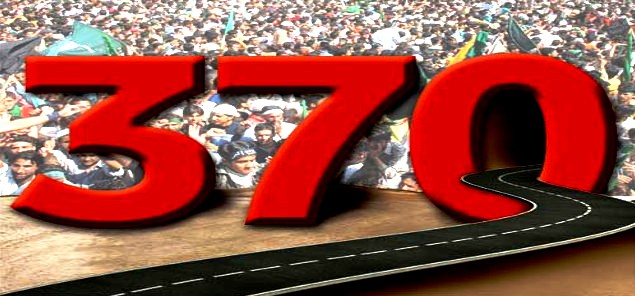
While the voting throughout the country was on for the Lok Sabha, there was a partial boycott in Kashmir. This led to a rout of the National Conference. The rejection of Indian political parties has historical roots. During Kashmir’s accession a major instrument was Article 370 which gave Kashmir maximal autonomy, excluding a few major powers like Defence, Foreign Affairs and Communications which were retained by the Union Government. According to AG Noorani, a fearless and meticulous scholar on Kashmir, PM Nehru was apprehensive that other States might also seek unprecedented powers which could destabilise the quasi-federal Indian Constitution.

So the Article 370 remained on paper. Decades ago, the Kashmir Assembly, by a large majority resolved that Article 370 should be activated. That resolution and one on regional autonomy within Kashmir, was forwarded to the then NDA government for discussion in Parliament. The NDA ensured that the opinions of the J&K Assembly were quietly shelved. The current election manifesto of the BJP reiterates the party’s determination to reject Article 370, which it considers an aberration, and a danger to Indian unity. This is a major issue, and secular parties should appreciate the advantages of maximum autonomy to all Indian States. An open discussion on this issue could lead to a more robust federalism, rather than strengthening the centralising features of the Indian Union. In the current environment, Art 370 will not be acceptable and would be kept on the shelf despite the original promise. But, it could be a pointer to a truly federal government with equal powers to all States, (unlike Delhi).

(Kamal Chenoy is a Professor at SIS, JNU. This article is reproduced from his facebook post.)

TAGGED:Article 370article 370 debateKashmir: Understanding Article 370Understanding Article 370
Share This Article
Facebook Copy Link Print
What do you think?
Love0
Sad0
Happy0
Sleepy0
Angry0
Dead0
Wink0
Telangana Must Order CBI Inquiry into Alleged Murder of Advocate Moizuddin in Waqf Cases
India Waqf Facts
Waqf Registration Ends With Fears of Vanishing Properties
Exclusive India Waqf Facts
The Waqf Act 2025, Supreme Court Interim Ruling, and the Role of Muslims in Protecting Waqf Properties
Waqf Facts
Supreme Court Verdict on the Waqf Act: Justice or Just Temporary Consolation?
India Waqf Facts Young Indian

You Might Also Like

Edit/Op-EdExclusiveIndia

18 Years After Batla House ‘Encounter’, Azamgarh Still Lives With Fear, Silence and Waiting

September 20, 2026
ExclusiveIndiaLead

Maulana Izhar-ul-Haq Case: A Family Caught Between an Arrest, a Mud House, a Silent Village and Terrorism Charges

September 19, 2026
IndiaLeadSportsYoung Indian

Football against patriarchy: How Yuwa is changing girls’ futures in Jharkhand

September 15, 2026
EnvironmentIndiaLeadWorld

Türkiye Pushes 5% Climate Spending Target Ahead of COP31

September 6, 2026
Copyright © 2025
  • Campaign
  • Entertainment
  • Events
  • Literature
  • Mango Man
  • Privacy Policy
Welcome Back!

Sign in to your account

Lost your password?