


A Release by National Election Watch and ADR
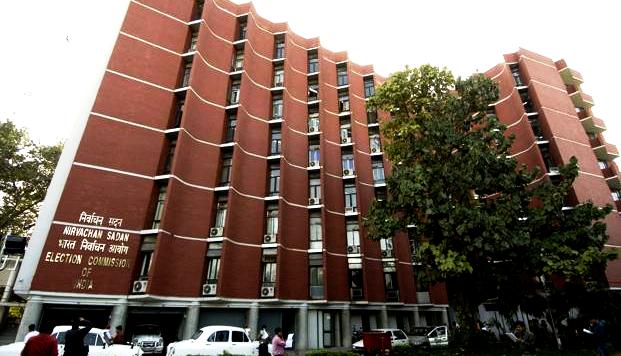
A recent statement made by BJP leader Joy Banerjee in a political rally in Birbhum, West Bengal, has once again ignited the debate on politicians’ ability to acknowledge the independence and the practical autonomy of the constitutional body of Election Commission of India (ECI). In the rally on 20 September 2015, Mr Banerjee said in reference to the state assembly elections in West Bengal next year, “We have control over the Election Commission now and there will be military assistance”. The remark has invited the ire of the ECI, which has directed BJP to explain its position on the statement.
Although the party in its letter to the ECI on 23 September 2015 has distanced itself from Mr Banerjee’s view, the inability of political parties to restrain their members’ conduct with respect to their views and remarks on the Election Commission is poignant. The tolerance for such constitutional impropriety on the part of politicians by their parties has caused for these unwarranted incidents to recur.
In 2012, a dissention between then Law Minister Salman Khurshid and then Chief Election Commissioner (CEC) S Y Quraishi erupted into a widely debated issue in the public space. Mr Khurshid had reportedly stated that there isn’t any institution that is autonomous, and “even the Election Commission was overseen by the Law Ministry which cleared its foreign trips and official activities”
The indignation of the Election Commission at this direct assault on its autonomy by the Minister for Law and Justice had prompted Dr Quraishi to write to then Prime Minister Manmohan Singh who in his reply underlined that the ECI had “functional autonomy”. Subsequently during Assembly elections, an unapologetic and exasperated minister remarked “let them hang me” in reference to the Commission’s notice to Mr Khurshid for violation of Model Code of Conduct in announcing Muslim quota during an election rally. It was only after the CEC’s writing to the President of India complaining of the minister’s outburst that Mr Khurshid conveyed his regrets to the ECI. The want of legal accordance to the powers of the ECI except for Article 324, which entrusts the Commission with the power of “superintendence, direction and control”, has created a sense of impunity in the mind set of politicians in criticizing the institution of Election Commission.
Similar incidents have occurred in the past, especially after the conclusion of an election where the losing party has criticised the institution of Election Commission on account of the fairness with which the election was conducted. Both INC and BJP have in the past raised unnecessary disapproval of the Election Commission’s decisions with the use “improper language” and “indecorous insinuations”.
Such circumstances have dent the possibilities of enhancing the integrity of the Election Commission which undertakes the onerous and mammoth task of organizing elections for 800 million electorate to Parliament and State Assemblies- a marvel to any modern day democracy. The Commission has proactively worked to ensure transparency, improved management and easy access to services for electorate including voter awareness. Although handicapped by limitation of legal sanctity to its powers, the ECI’s autonomy has been central to its identity, reinforced by the manner in which it has dealt with all parties thus far. The independent authority of the ECI is critical to protecting free and fair elections in India in the present climate marred by intolerant and divisive forces.
Recommendation of ADR
The authority to appoint the Chief Election Commissioner and other Election Commissioners by the government of the day without the requirement to consult the party in opposition has undeservedly paved for an implicit allusion that the autonomy and independence of the Commission may be influenced by the appointing government. To ensure credibility and integrity of the institution of the Election Commission, and to insulate it from such unnecessary insinuations it is necessary to implement a collegium system for appointments of Chief Election Commissioner and Election Commissioners. Their appointment should be recommended to the President by a collegium consisting of the Prime Minister, Leader of the Opposition or the Leader of the largest party in opposition, the Speaker of the Lok Sabha, Deputy Chairperson of the Rajya Sabha and the Chief Justice of India. A similar process should be implemented for appointments of State Election Commissioners.