


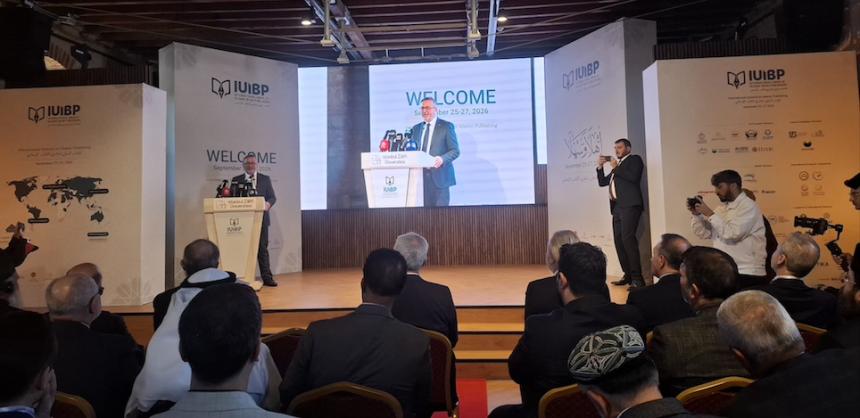
ISTANBUL, Türkiye (Sept. 26): Islamic book publishers from around the world on Saturday adopted an ambitious roadmap for closer international cooperation on varied issues related to the publishing of books.
The agreement came at the conclusion of the founding conference and first General Assembly of the International Union of Islamic Book Publishers (IUIBP) in Istanbul on Saturday.
The two-day deliberations culminated in the Istanbul Declaration for Cooperation Among Islamic Book Publishers, which seeks to create a global professional network connecting publishers across languages, countries and markets. The declaration was formally adopted in Istanbul on September 26.
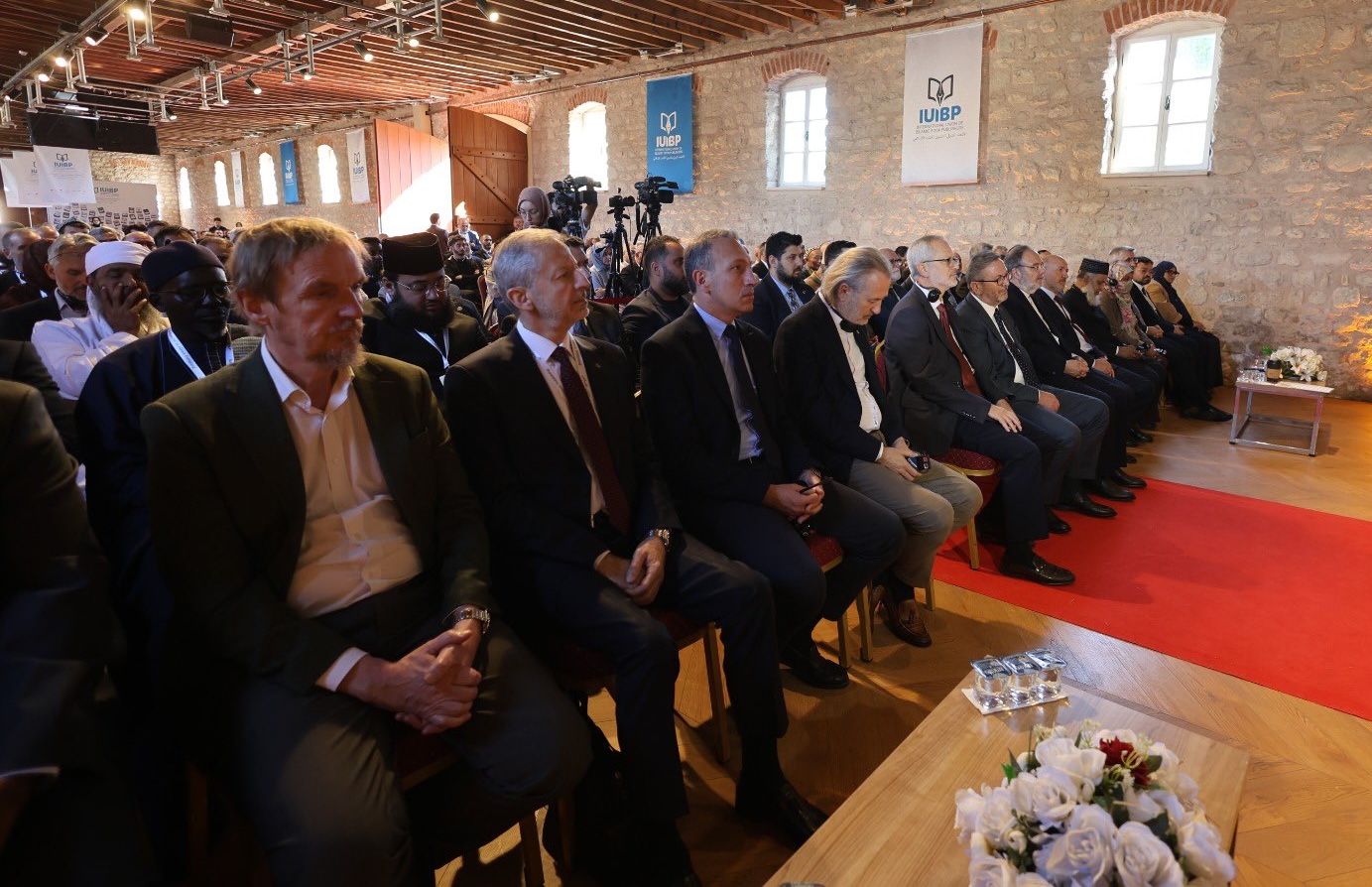
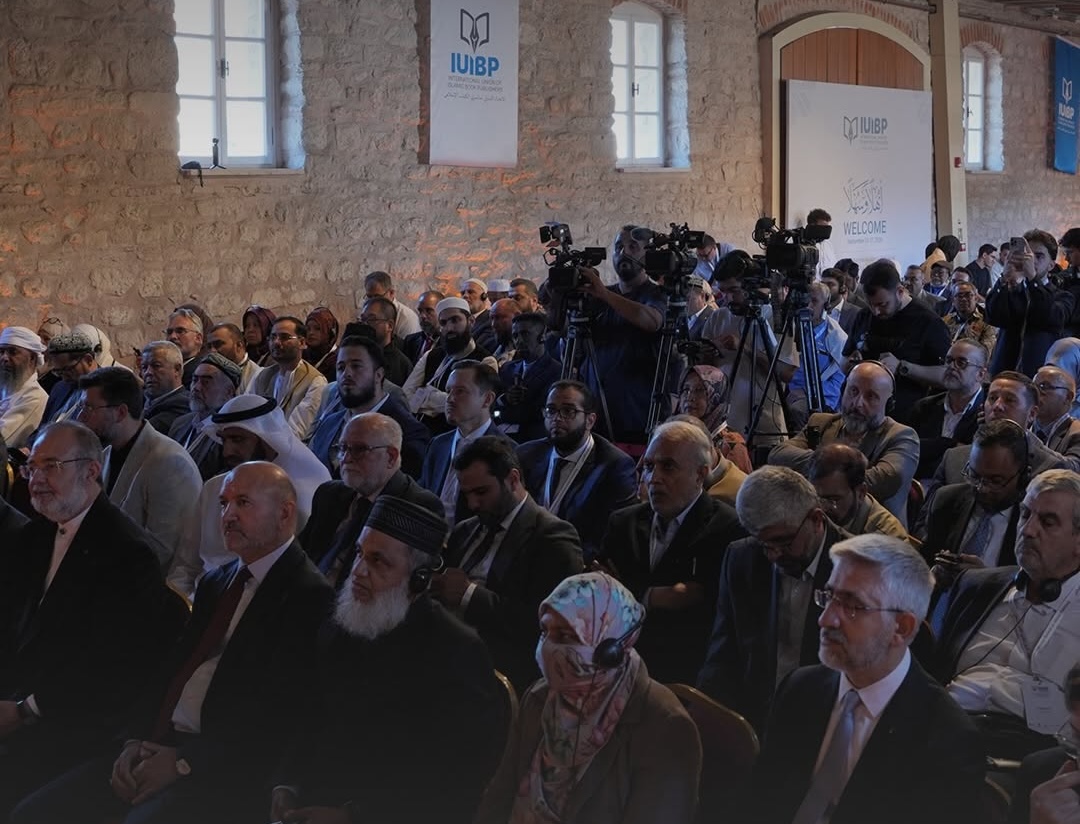
The gathering at Istanbul Sabahattin Zaim University brought together more than 250 representatives, including publishers as well as universities, civil society organizations, book distributors, bookstores, copyright agencies, authors’ organizations and publishing associations.
The organizers said publishers and institutions from 72 countries were represented.
Among those attending the opening were Türkiye’s Deputy Minister of Culture and Tourism Dr. Coşkun Yılmaz; Prof. Dr. Mehmet Görmez, rector of Türkiye International University of Islam, Science and Technology; Istanbul Sabahattin Zaim University Rector Prof. Dr. İsmail Küçük; IUIBP President Prof. Dr. Mehmet Bulut; Mauritanian officials; Bangladesh’s consul general in Istanbul; and representatives of Türkiye’s cultural and educational institutions.
The conference was supported by Türkiye’s Presidency of Religious Affairs, known as Diyanet, the Ministry of Culture and Tourism, and the Turkish Cooperation and Coordination Agency, or TİKA.
From an idea to international union
The Istanbul gathering marked a significant milestone for an organization whose roots go back five years.
The idea took shape in Istanbul in 2021, when publishers from 30 countries met and concluded that Islamic publishing needed a permanent international mechanism for cooperation. Five years of consultations, legal preparations, and meetings at international book fairs followed.
The International Union of Islamic Book Publishers was formally established on January 28, 2026, after receiving official approval from Turkish President Recep Tayyip Erdoğan. It is headquartered in Istanbul.
Prof. Mehmet Bulut told the conference that the effort began with a program at Istanbul Sabahattin Zaim University five years ago to bring Islamic publishers onto a common platform. The organization was formally given international status earlier this year.
The union has expanded rapidly since then. Bulut said it now has 247 publishers from 72 countries as members.
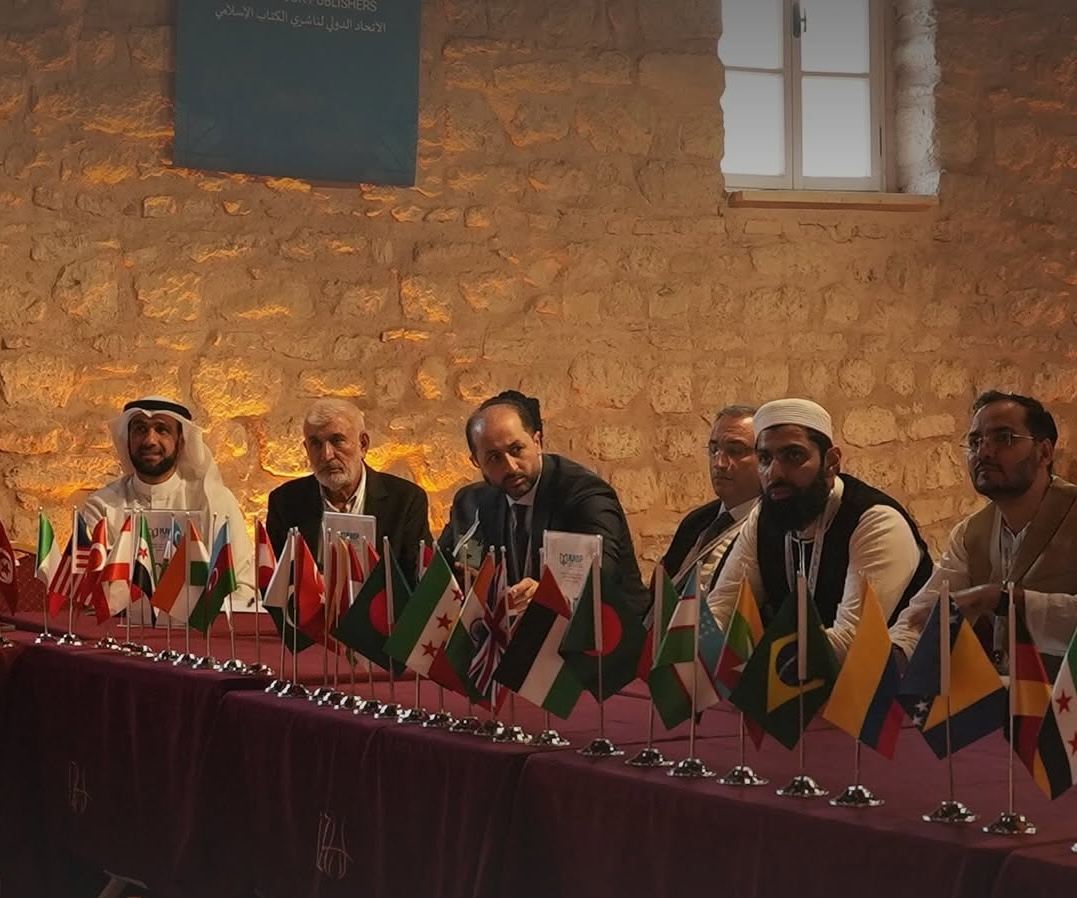
Its founding leadership reflects the geographical breadth it hopes to achieve. Its board includes publishing figures from Türkiye, Jordan, Indonesia, India, Britain, Pakistan, Uzbekistan, Nigeria, Germany, France, Australia, Algeria, Saudi Arabia, Malaysia and North Macedonia.
Its General Assembly is its highest decision-making body, while its executive board consists of 10 full and five alternate members. It also has an Audit Board and an Advisory Board made up of academics, intellectuals and publishing experts.
The union says its broader goal is to establish an international cooperation network for Islamic publishing and facilitate the translation and dissemination of works from the intellectual and scholarly traditions of Islam into different languages.
‘Knowledge, understanding and wisdom’
Opening the conference, Türkiye’s Deputy Culture and Tourism Minister Dr. Coşkun Yılmaz placed the initiative within a much older tradition of books and ideas circulating across the Muslim world.
He said scholars, books and knowledge had historically moved rapidly across Islamic societies, but political divisions and changes in intellectual life later weakened these connections.
Yılmaz said the extraordinary pace of technological and social change today makes knowledge-based cooperation even more important.
“Rapid changes and advancements are currently taking place across the globe,” he said. “If we do not steer this progress with knowledge, understanding, and wisdom, while keeping humanity at its core, the inevitable outcome will be disappointment and failure.”
He said Istanbul and the work of publishers could play an important role in rebuilding intellectual links.
“If we speak of true unity, its fundamental pillars will be knowledge, understanding, wisdom, and information, and publishers will be the ones to disseminate them,” Yılmaz said.
‘Islam is peace’
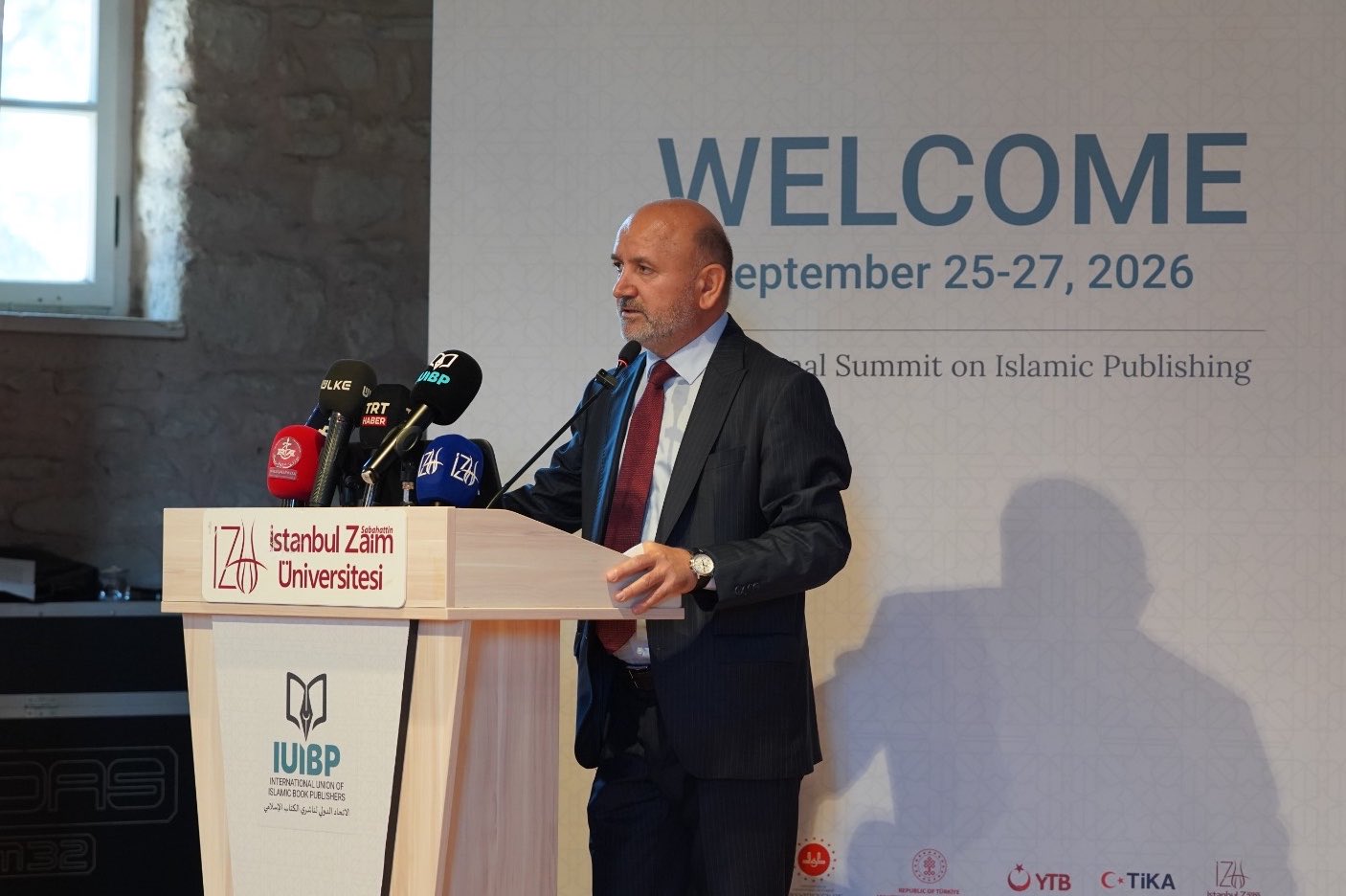
Bulut said the union wanted to recover and share the intellectual resources accumulated over centuries of Islamic civilization.
“In this era of propaganda, we must tell the world that Islam is peace,” he said.
He said publishers needed to cooperate to bring the knowledge and intellectual capital of Islamic civilization to people beyond Muslim societies and make it available “to all humanity in every language.”
Bulut emphasized that the initiative should not be seen as limited to a single meeting. He said, “This program is a beginning. Our task is simply to do the work. We will make every effort to achieve the results we hope for.”
That ambition is reflected prominently in the Istanbul Declaration.
The document describes Islamic books as a potential bridge for dialogue and mutual understanding. It says Islamic publishing should help make informed knowledge available while presenting a balanced and constructive understanding of Islam and its universal human values.
At the same time, the declaration explicitly defines IUIBP as an international professional organization that does not pursue political or profit-making objectives. It says the union will operate through professional cooperation and institutional independence while respecting national laws and international legal frameworks.
Three-year plan
Much of the Istanbul gathering was structured around practical problems confronting publishers.
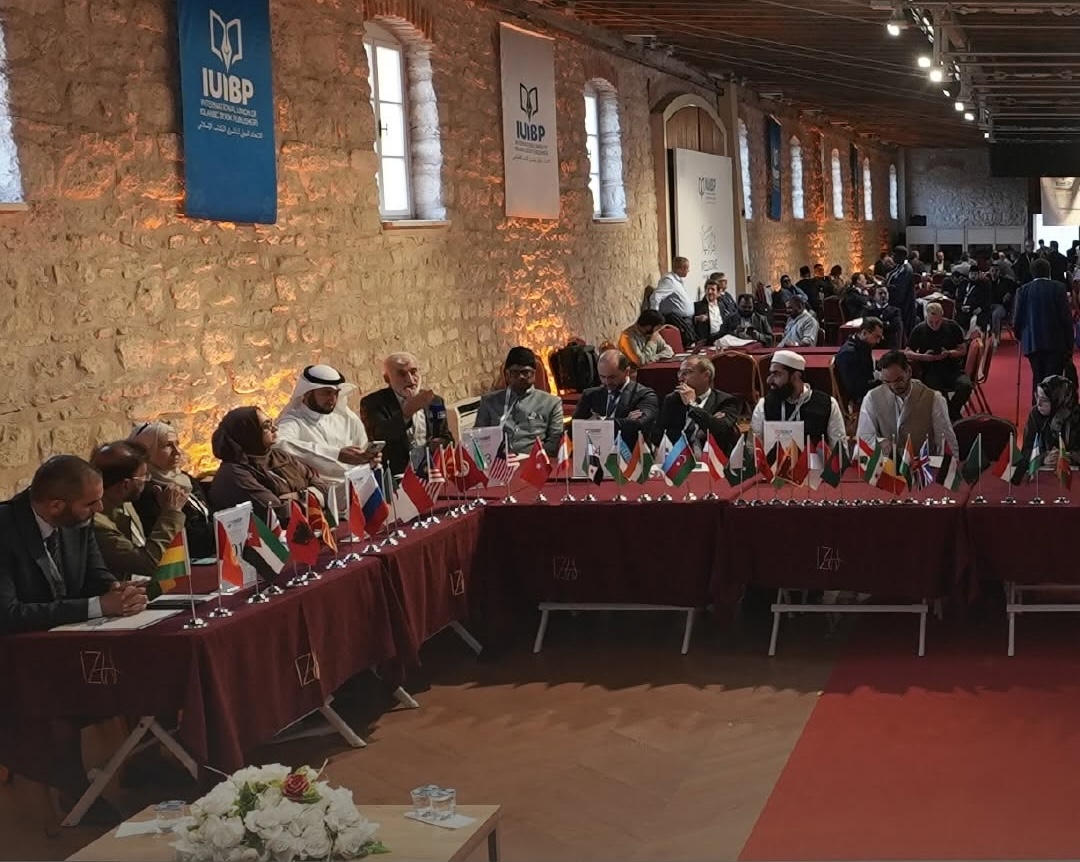
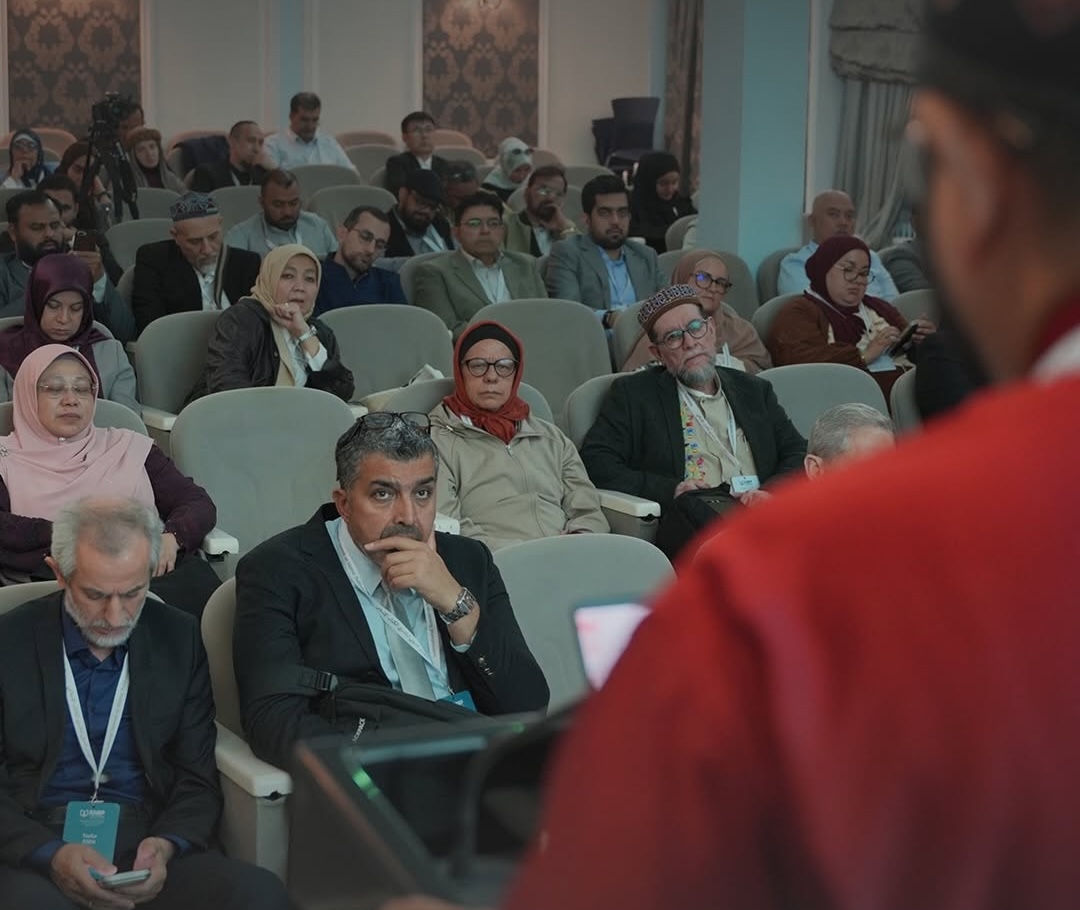
Participants were divided into 12 roundtable groups, with each group asked to examine a particular area of publishing and draw up a three-year action plan.
The subjects included relations among members and international solidarity; culture and education; international book fairs; international relations; advertising and publicity; standards and quality in Islamic publishing; copyright and translation; research and reporting; children’s publishing; book distribution and bookstores; legal and ethical issues and dispute resolution; and digital publishing, data and technology.
These areas also correspond closely with the union’s 12 standing committees. Among other tasks, they are expected to coordinate participation in international book fairs, facilitate copyright exchanges, develop standards for children’s publishing, address disputes between members and guide publishers through digital transformation and AI applications.
Translation priorities
Translation emerged as one of the most important priorities.
The Istanbul Declaration calls translation an essential bridge between nations and cultures. It says translation should work in both directions: making reliable Islamic scholarship accessible to readers around the world while bringing valuable knowledge and human experience from other societies into languages spoken across the Muslim world
The union plans joint translation projects, exchanges of publishing rights and co-publishing initiatives.
It also calls for greater attention to widely spoken languages inside and outside Muslim-majority countries. Publishers are being encouraged to invest in specialist training for translators and editors, while maintaining accurate terminology and sensitivity to cultural context.
The objective is significant because language remains one of the main barriers preventing books published in one Muslim country from reaching readers in another.
The union therefore hopes to develop a professional rights market in which publishers can discover titles from other countries, obtain translation rights and find partners for joint publication.
Another major challenge identified at the conference was the relatively limited international reach of many Islamic publishers.
The declaration calls for a stronger presence at international book fairs and publishing markets and easier access to Islamic books for libraries, universities, educational and cultural institutions and general readers.
Publishers will be encouraged to prepare multilingual catalogues and improve editorial, design, production and marketing standards. They will also receive support in international distribution, rights management and entering new markets.
The union plans to build relationships with international book fairs, libraries, universities, research centres, cultural institutions and digital platforms.
It also proposes joint pavilions at international book fairs, where publishers from different countries could exhibit together rather than working in isolation.
Professional meetings between publishers and distributors are planned to address practical problems including shipping, warehousing, marketing, distribution and access to libraries and educational institutions.
The declaration says the union should be based on “cooperation rather than unconstructive competition” and “dialogue rather than isolation.” It calls for publishers to build bridges across cultures and countries despite differences in language, intellectual tradition and specialization.
Copyright piracy major concern
Protection of intellectual property is another major pillar of the Istanbul agreement.
Publishers said piracy and unauthorized reproduction threatened authors, translators, illustrators, publishers and others whose livelihoods depend on the book industry.
The declaration calls for coordinated action against copyright violations in print, digital and audio publishing.
Members will be encouraged to share information about infringements and develop mechanisms to support legal and professional action. The union also places obligations on publishers themselves to respect authors’ rights and contractual commitments.
The declaration also makes a commitment to freedom of publishing, describing it as essential for advancing knowledge and developing societies.
It says that freedom should be exercised with professional and ethical responsibility and respect for human dignity, cultural diversity and the religious and civilizational particularities of different communities.
Significantly for an organization covering societies with considerable linguistic, theological and cultural diversity, the declaration says differences in languages, cultures and schools of thought should be viewed as a source of enrichment rather than grounds for division or exclusion.
Dialogue, pluralism and mutual understanding should therefore guide cooperation among publishers and cultural institutions, it says.
Digital transformation and artificial intelligence received extensive attention in Istanbul.
The declaration acknowledges that publishing is no longer confined to the printed page.
It identifies e-books, audiobooks, educational platforms, databases, interactive content, and accessible publishing for people with disabilities as areas in which publishers will increasingly have to operate.
The union wants members to invest in digital publishing, strengthen technological capabilities and develop secure ways of distributing content globally.
It also acknowledges potential applications for artificial intelligence in editing, indexing and metadata, assisted translation, marketing and data analysis.
But it draws a line around its use. AI should comply with intellectual property rules and principles of transparency and should not undermine authors’ rights or the integrity and quality of published knowledge.
One of the more concrete proposals to emerge from the conference is a shared international database of Islamic publishers.
The database would contain information about publishers, their areas of specialization, catalogues, available publishing rights, languages, markets and potential opportunities for cooperation.
The union also proposes an Islamic Publishing Observatory.
It would collect industry data and issue periodic reports on translation, publishing rights, distribution, digital transformation, book fairs and challenges confronting publishers in different regions. The data would then be used to shape programs and help members make informed business and publishing decisions.
This is intended to address another structural weakness identified by the organization: the lack of consolidated data about Islamic publishing across national markets.
A separate digital platform is planned to ensure that contacts established in Istanbul continue throughout the year.
The platform would function as a publisher directory, communications hub, training centre, and marketplace for publishing rights and cooperation opportunities.
Members would be able to identify partners, exchange rights, join programs and committees, and access professional services through a secure multilingual system.
The idea is to move the organization beyond occasional conferences and book fairs and create continuous interaction among its members.
The Istanbul Declaration gives particular attention to publishers from emerging markets and those working with limited resources.
It calls for training, mentoring and capacity-building programs for a new generation of publishers and for small and medium-sized publishing houses.
Young publishers would receive support in understanding international rights, distribution, marketing, digital publishing and participation in international book fairs.
The union also says membership policies should take account of economic disparities among publishing markets so publishers from less affluent countries are not excluded from international cooperation.
Children get separate attention
Children’s publishing has also been given its own institutional space within the union.
Its Islamic Children’s Publishing Committee is expected to develop common standards and encourage joint projects for children and young readers. The decision reflects a wider effort to treat Islamic publishing not simply as religious scholarship but as a broad field encompassing education, culture, children’s literature and contemporary forms of communication.
Professor Dr. İsmail Küçük, rector of Sabahattin Zaim University, said the International Islamic Book Publishers Association had launched an important initiative through the workshop.
He said publishers should not only discuss the challenges facing Muslim societies but also produce and publish books and literature that seek to address those challenges.
“I am confident that they will undertake valuable work to find solutions to the problems facing the Ummah. It is also crucial to produce and disseminate literature and books that can effectively address the challenges and difficulties faced by the Ummah,” he said.
Prof. Mehmet Görmez, former president of Türkiye’s Directorate of Religious Affairs and now rector of Türkiye International University of Islam, Science and Technology, connected the gathering to an earlier effort to establish international institutions of Islamic learning.
He recalled that Prof. Sabahattin Zaim had been sent by former Turkish leader Necmettin Erbakan to the World Conference on Education in Mecca in 1977.
That conference proposed five international Islamic universities, with Istanbul envisaged as the location of the first. Others were proposed for Pakistan, Malaysia, Bangladesh and Ethiopia. Political change in Türkiye prevented the Istanbul project from going ahead at the time.
“Fifty years have passed, and now, this year, we are establishing an international Islamic university in the Sultanahmet district of Istanbul,” Görmez told participants.
Other international participants included Prof. Dr. Noor Lida Abu Kassim, head of the Publications Department at the International Islamic University Malaysia, and Dr. Mohamed Mahmoud, director general of Mauritania’s Institute for Research and Education on Culture and Heritage.
The Istanbul Declaration ends with a practical roadmap rather than limiting itself to broad principles.
The union will seek to expand membership and its geographical reach, establish specialized committees, organize regular professional training and create the common publishers’ database.
It also plans partnerships with international book fairs and cultural and educational institutions, joint translation and distribution projects, greater cooperation in digital publishing, and periodic reports tracking the development and problems of the Islamic publishing industry.
The declaration presents the Istanbul meeting as the beginning of a longer institutional effort.
Its final commitment is to build an organization that is “effective, professional, open and forward-looking,” safeguards the legitimate interests of publishers and gives Islamic books a stronger international presence while contributing to knowledge, dialogue and mutual understanding.
For a publishing sector divided across dozens of countries, languages and markets, the test after Istanbul will be whether the networks, translation projects, rights exchanges and distribution mechanisms outlined in the declaration can now be turned into functioning institutions and sustained cooperation.
Qurratul Ain Sundus, 25, the youngest participant at the conference, traveled from Malaysia to attend the event. She said, “I had high expectations for this conference, and I must say it has exceeded them. We engaged in very useful and productive discussions.”
Sundus represented India’s Good Tree Press, an English-language publisher that focuses particularly on children’s literature.
Looking ahead, she said that if, Insha Allah (God willing), the association succeeds in achieving the goals it has set for the next three years, it could establish a comprehensive support system for Islamic book publishers.
“I am particularly optimistic about the database, as it is essential for us to support and collaborate with one another,” she said.