


By Ujjwal Agarwal
Makar Sankranti marks the beginning of festivals and celebrations across India as it is the first festival setting the milestone for the upcoming ones. It is a festival that has cultural significance that varies geographically from state to the other. Sankranti welcomes the new season of harvest in their own indigenous manner.
The word Makar means Capricorn and sankranti defines the transition. Therefore Makar Sankranti marks the transition of the sun from one zodiac to another. It is celebrated on the 14 January every year. It is a cultural festival celebrated with a variety of names. The different states of the country celebrate the festival in innumerable ways according to the tradition and custom of the local city dwellers.
Til Sakrat or Makar Sankranti in Bihar is celebrated on the 14 and 15 January. People begin their day taking bath in the river and ponds, worshipping the Almighty. A wide range of delicacies is prepared including curd and chiwda with a mixture of jaggery followed by lawa, til ladoos and Tilkuts. “On this auspicious occasion Khichdi is offered to the Almighty and then consumed as prasad” says Sakshi, a local resident from Bhagalpur, Bihar.
Suggi or the harvest festival for the farmers of Karnataka is one of the major festivals. “On this festive occasion, the Lakshmi of every house visits their young and dear ones seeking their blessings and offering them sweets which contain Til Ladoos, coconut sweets and sugar candies. Fruits include bananas, sugarcane, red berries and this festival is celebrated as Ellu Birdhu”, says a resident from Bangalore.
In Tamil Nadu, Makar Sankranti is celebrated for a period of four days, each day having a special significance. The first day marks Bhogi Pandigai, day two is celebrated as thai pongal which is the main dish of the festival. Matter Pongal is celebrated on day three and Kaanum Pongal omn the last day.
Delhi and Haryana set an example for the celebration of Sankranti. “On 14 January, every year people prepare a variety of dishes including khichidi and sweets that are offered to the downtrodden with a small sum of money”, says Shreya Gupta from Delhi.
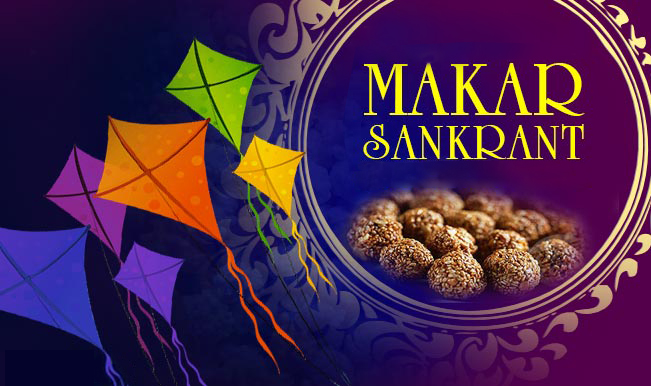
Makar Sankrantri is one of the biggest festivals of Telangana, where the sky is overwhelmed with the bright colourful kites marking the beginning of a new year of harvest. Varieties of dishes are prepared and relished with the friends and relatives.
Magh Bihu or Bhogali Bihu is the harvest festival celebrated in Assam. Bihu is celebrated with a variety of food items and bonfires. Several games like buffalo fighting are also organized for entertainment. According to a local resident from Assam, cakes of rice called Pitha or Til Pitha and sweets of coconut called Lam are prepared to relish.
Gujarat welcomes the festival as the biggest for its dwellers. Uttarayan in Gujarat is celebrated for a period of two days. According to Vidhushi Gupta, a student and resident from Ahmedabad “people came from different parts of the country to witness the festival. Kites of a variety of colours and designs are made of a lightweight paper and when people cut the kite of the opponent they yell ‘kaypo che’, ‘lapet’ or ‘phirkivet phirki’.
In West Bengal, Sankranti is also known as Poush Sankranti named after the Bengali month in which it is celebrated. Shirshendu Bhattacharya, a local from Kolkata said “fresh paddy, khejurer gur and patali is used in the preparation of a variety of Bengali sweets. They worship Goddess Lakshmi on the occasion of Sankranti.”
Khicheri, the local name of Sankranti in Uttar Pradesh involves ritual bathing. More than a million people gather at Allahabad or Varanasi for the holy bath. They are not permitted to consume the special delicacies before bathing.